

News
Charles River delivers non-small cell lung cancer samples and patient-derived xenografts for use in PERSIST-SEQ’s research
In the PERSIST-SEQ consortium, CRL brings it longstanding management expertise, as well its industry know-how and standards with regards to GDPR, animal welfare and patient informed consent especially in the context of generation and usage of patient derived xenografts. As a major service provider in the preclinical oncology field, CRL has established sampling, barcoding and shipment routines that will significantly contribute to the success of PERSIST-SEQ.

About Charles River
Charles River Discovery Research Services (CRL) is a global leader in preclinical profiling of anticancer compounds utilizing a large collection of proprietary patient derived xenograft (PDX) models. CRL’s outstanding market position is based on a uniquely integrated testing approach which includes medium-high throughput in vitro assay systems complemented by extensive in vivo efficacy test capabilities. CRL works mainly with large pharmaceutical and biotech companies.
CRL has established a unique collection of more than 500 PDX models across all major histotypes in solid and liquid cancer. CRL’s PDX collection is well characterized by molecular analyses as well as by sensitivity testing towards the respective standard of care compounds including immune-modulating agents. As a leading CRO in preclinical oncology, CRL brings its model establishment expertise and a profound biological knowledge in tumour biology.
Charles River in PERSIST-SEQ
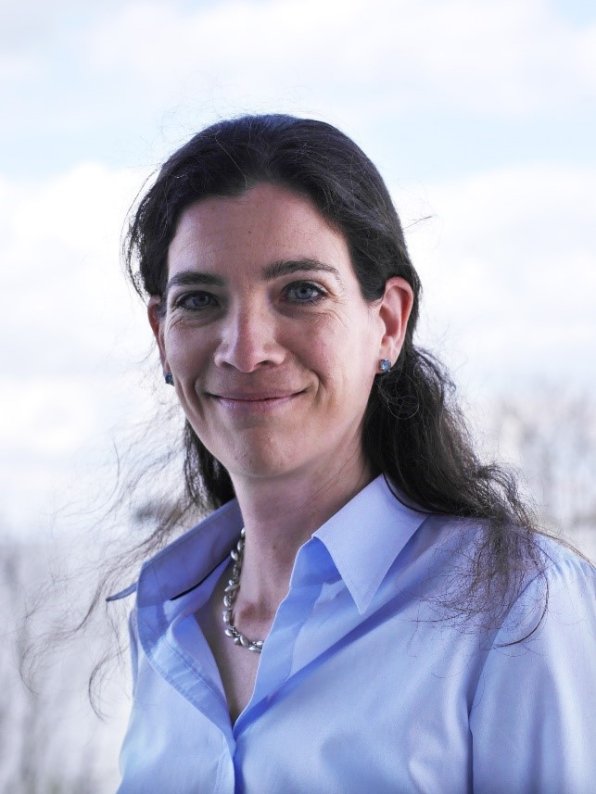
Right: Julia Schueler (Charles River), Research Director
Julia Schueler is a research director, Therapeutic Area Lead Oncology at Charles River and a principal investigator in the PERSIST-SEQ project. Julia studied veterinary medicine in Switzerland and Germany where she received her DVM. Afterwards, Julia joined the lab of Heiner Fiebig, at Oncotest GmbH, in Freiburg, Germany receiving her PhD on orthotopic implantation of solid cancer PDX. After a post-doc in innate immunity at the Max-Planck institute she re-joined Oncotest in 2002. Since then, she is driving the oncology model development strategy within Oncotest and since 2015 within Charles River.
Below, Dr Schueler elaborates on CRL’s role in PERSIST-SEQ.
Can you describe your role in PERSIST-SEQ?
At CRL, we deliver samples from Non-Small Cell Lung Cancer (NSCLC) - the most common lung cancer in western countries, and colon cancer patient-derived xenografts (PDX) - mouse models of human cancer that closely resemble the patient’s cancer and are often used to study tumour biology and for the development of new drugs. These samples are under treatment with Epidermal Growth Factor Receptor (EGFR) targeting agents - anticancer agents which target the tumour cell by blocking a signalling pathway, in this case the EGFR pathway which is essential for the survival of the tumour.
What do you contribute to the consortium?
We hope to be able to understand the mechanisms behind acquired drug resistance, specifically for EGFR. Besides that, we hope to get a better understanding of the applicability of single cell sequencing technologies in a translational setting.
What do you enjoy the most about your work on the project?
I enjoy the interdisciplinary team and the fascination that new technologies always bring. Involving people with different disciplinary backgrounds ensures that you tackle a problem from different perspectives. Furthermore, everyone is forced to describe his or her findings, problems, or questions in a way that is truly translational so that everyone is on the same page. My interest is to be able to quantitatively determine the degree of heterogeneity in a PDX sample with or without treatment, which is something that is only feasible using single cell sequencing.
What is challenging about your work?
The biggest challenge is to keep the standardization at a level where the datasets can be compared across sites, tumour and sample types. We will address this challenge by using valid standard operating procedures and comparing datasets at each step across the pipeline
What will be PERSIST-SEQ’s contribution to cancer research, in your view?
PERSIST-SEQ will contribute to a better understanding of the role of persister cells in targeted therapy and will help standardize the use of single cell sequencing technologies to enable comparison of data sets across disease areas and applications.