Our research
Our scientific approach
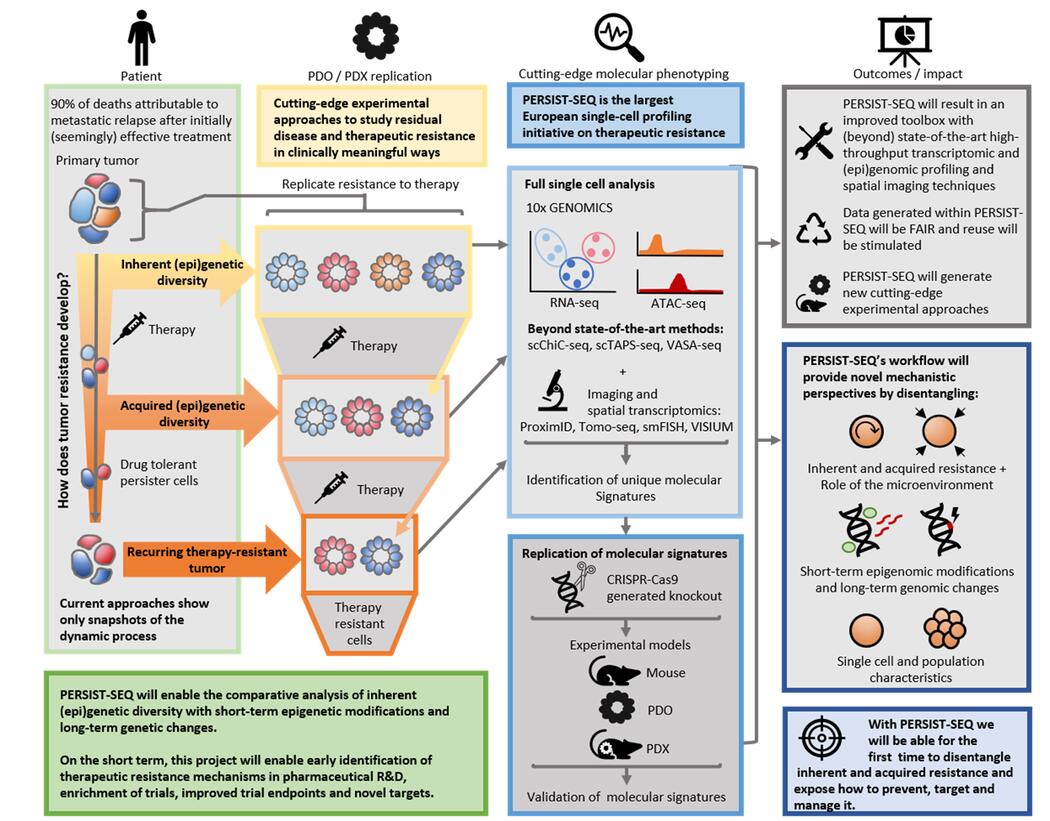
To address the challenges presented by therapeutic resistance in cancer, PERSIST-SEQ has formed a coalition of field-leading researchers and medical oncologists on cancer resistance who will leverage their ingenious cancer modelling approaches and cutting-edge techniques to perform the sequencing of single tumour cells. PERSIST-SEQ will refine and standardise a broadly applicable workflow for single-cell sequencing in order to improve the understanding of therapeutic resistance in cancer and develop targeted prevention and mitigation techniques.
Cancer models
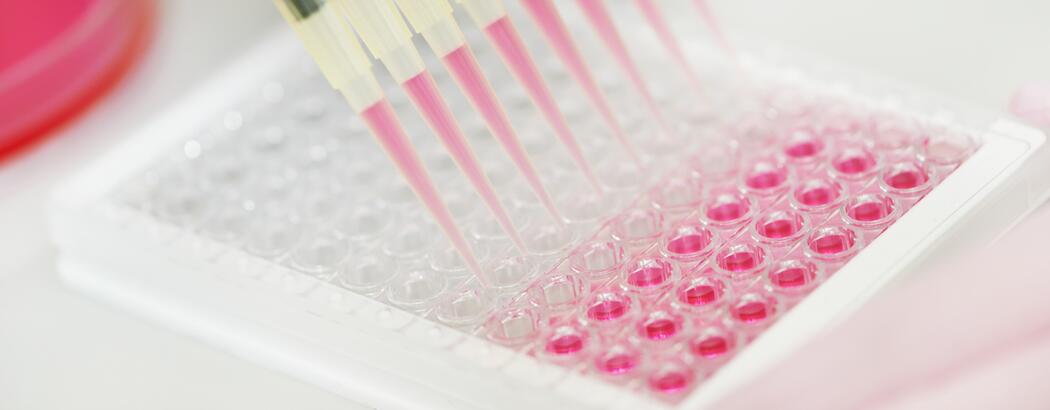
Existing cancer models offer incomplete but complementary representations of tumour development and plasticity as it occurs in vivo (observed in a living being). Currently, PERSIST-SEQ represents the largest coordinated effort that will not only combine state-of-the-art cancer models in a clinically meaningful way, but also document best practices in doing so, thereby ultimately creating a new standard for scientific quality in future research.
Sequencing techniques
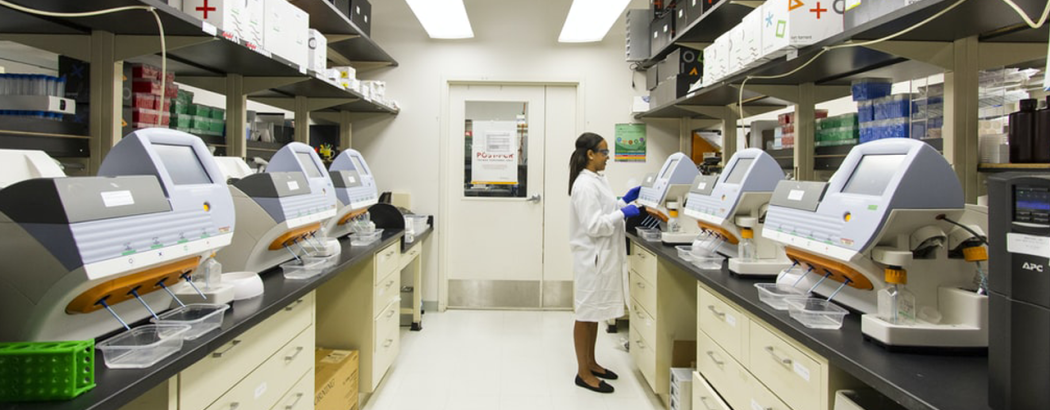
As a basis, the PERSIST-SEQ consortium will use the most widely employed and recognized sequencing techniques from the 10x Genomics platform – the current standard of single-cell sequencing – to generate data from samples supplied by the consortium labs. 10x Genomics functions through the 10x Genomics chromium controller, a small device that fits on a lab benchtop and employs microfluidics cartridges to simultaneously barcode and process up to 80,000 cells per experiment. This reduces per-cell costs considerably compared to plate-based methods when processing over 3,000 cells per sample. Since it is a wide-spread and accepted technique, it will be used to generate the bulk of the single-cell transcriptomics data for PERSIST-SEQ.
Until recently, the cancer research community lacked the tools to reproducibly and comprehensively assess the full heterogeneity of patient-derived samples in the context of therapeutic stress as well as to unravel the clinical development of therapeutic resistance in a clinically meaningful manner. As a result, by far we have been unable to disentangle inherent and acquired resistance, short-term (e.g. epigenetic modifications) and long-term cellular changes (e.g. mutations), single-cell and population characteristics and processes intrinsic to the cell and those modulated by the tumour microenvironment. Together, PERSIST-SEQ’s approach will enable in-depth molecular characterization of clinically relevant persister cell populations – at the single-cell level – and elucidation of upstream and downstream mechanisms of resistance.
Workflow
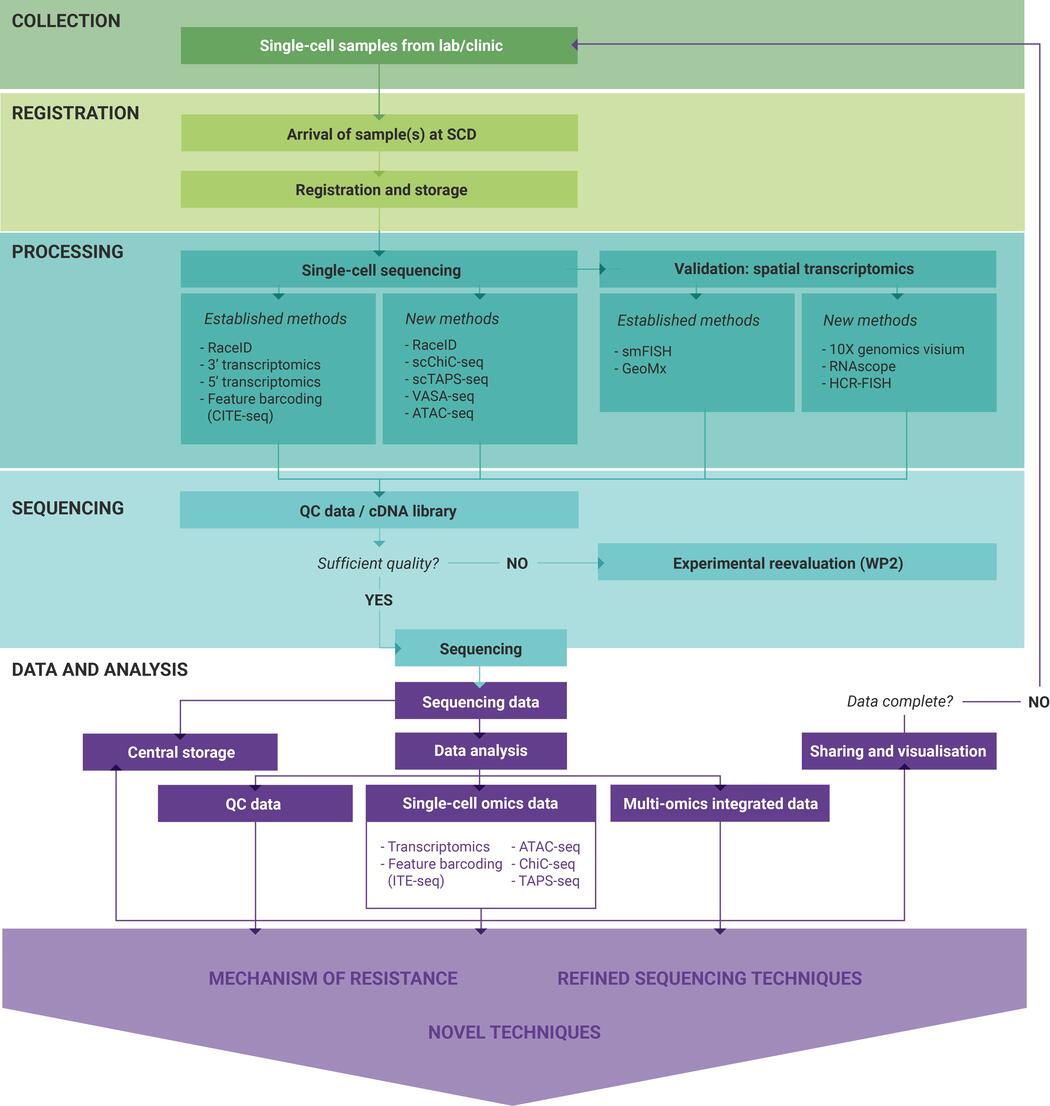
The PERSIST-SEQ project will be organised around (beyond) state-of-the-art single-cell sequencing techniques and will be easily adaptable to integrate emerging (single-cell) technologies. The workflow will include wet-lab approaches to isolate single cells from clinical samples for 3D culturing, sequencing, imaging for spatial analysis, data management that is FAIR by design, and bioinformatics approaches required to extract key insights. Special attention will be given to the incorporation of biological models needed to isolate and recapitulate resistance mechanisms in heterogenous cellular populations before, during and after treatment (e.g. PDOs) and in the context of the microenvironment (e.g. PDX).
For some particular therapies and tumour types, single cell analyses will also be performed from patients’ samples at different timepoints during treatments aiming to investigate the impact of cell heterogeneity on drug resistance. Translation of the workflow to other labs will be ensured by developing blueprints, sample quality assurance measures, video tutorials and standard operating procedures (SOPs). As such, we will drive exponential growth in therapy resistance research capacity across academia and industry.