

Home
Strategy
The ultimate goal of the PERSIST-SEQ consortium is to improve the understanding of therapeutic resistance in cancer and create effective strategies to improve cancer treatment and prevent drug resistance. As a result of this effort, the project anticipates a significant step forward for the cancer community and its understanding of tumor plasticity. This can change the way scientists and clinicians view cancer and its related drug development.
In order to achieve this goal, PERSIST-SEQ will develop a standardized approach to single-cell sequencing workflows for the investigation of the pre-treatment of cells.
Importantly, PERSIST-SEQ will employ an open access model to build and sustain its benchmarking procedures and centralized European data infrastructure. This model reduces the duplication of effort, thereby promoting collaboration across disciplines and ensuring efficient adoption of state-of-the-art single cell technologies. By presenting an approach which is replicable, the PERSIST-SEQ consortium will empower a further investigation of unaddressed tumors and therapies.
Therefore, the real impact of the project will stem from the growth of innovation capacity associated with the use of this approach across academic and industrial centers around the world.
PERSIST-SEQ will shed light on several crucial scientific questions on therapeutic resistance, organised along four cross-cutting themes which represent the most prominent hypotheses to explain tumour plasticity:
THEME 1
Pre-existing tumour cell phenotypic states and resistance
Led by Professor Eduard Batlle, IRB Barcelona, and Professor Hans Clevers, Hubrecht Institute
- To what extent do pre-treatment genetic and phenotypic tumour cell diversity contribute to resistance to therapy?
- How does cell plasticity impact residual disease and tumour regeneration after treatment?
THEME 2
Collateral sensitivity of drug tolerant persister cells (DTPs)
Led by Prof. René Bernards, Netherlands Cancer Institute, and Prof. Josep Tabernero & Héctor G. Palmer, VHIO
- What are the epigenetic changes in tumour cells induced by therapeutic stress, how do they occur and how do they protect the tumour cells?
- Does the persistent state come with specific vulnerabilities and hence, is it a targetable or preventable transient state?
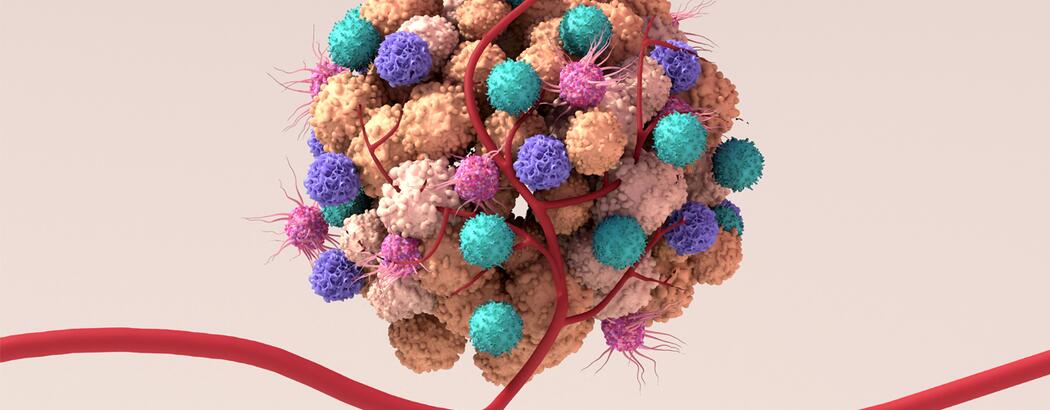
- What is the role of the tumour microenvironment and what is the relation to the cell’s intrinsic processes?
- Can this mechanism be therapeutically targeted?
- What are the mechanisms inducing adaptive mutability in DTP cells?
- Can this mechanism be therapeutically targeted?
Combined, this work will significantly advance the current understanding of cellular signalling pathways, cellular processes, and the tumour microenvironment that can ultimately lead to reduced cost of drug development, novel therapeutic options, and improved patient outcomes.