

News
First PERSIST-SEQ consortium meeting gathers nearly 50 project members in Cambridge, The United Kingdom and online
The annual PERSIST-SEQ consortium meeting provides consortium members from various work streams with the opportunity to meet and present the progress of their research, share experiences and discuss future work plans. The first annual project meeting took place on the 21st of September as a hybrid event – organised in Cambridge, The United Kingdom, with the option for project members to join online. About 35 project members participated in the face-to-face meeting, while 11 joined the digital event.
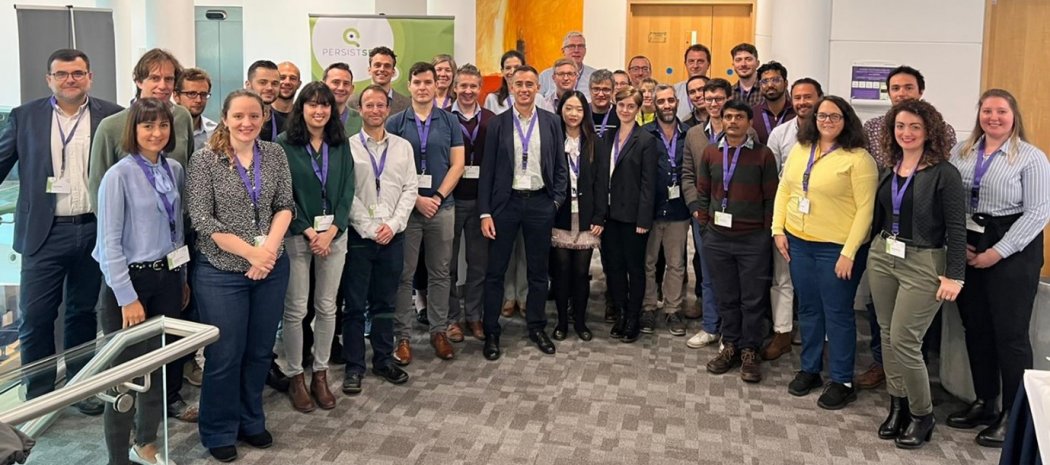
The first PERSIST-SEQ consortium meeting included sessions on single-cell sequencing, single-cell acquisition from models of tumour plasticity, and spatial imaging technologies, among others. Several consortium members gave talks on pertinent to project topics such as “Vulnerabilities of drug tolerant persisters” and “Complex in vitro models to induce and study treatment resistance”. Additionally, PERSIST-SEQ participants discussed the progress of the project management, communication and dissemination work stream.
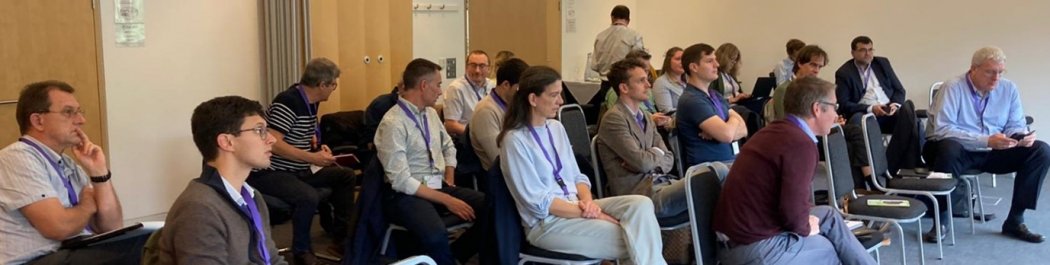
The sessions
PERSIST-SEQ’s project evaluation group - work package 2 (WP2) presented the status of the work on development and execution of PERSIST-SEQ’s portfolio management plan which aims to match the demand and supply of screening capacity. WP2 members spoke about the importance of proper coordination of transparent portfolio discussions, and stressed the need for consensus building on task prioritization. Additionally, WP2 focuses on setting up and maintaining a successful portfolio managing approach that maximally leverages the available samples, sequencing capacity, and latest scientific insights in PERSIST-SEQ.
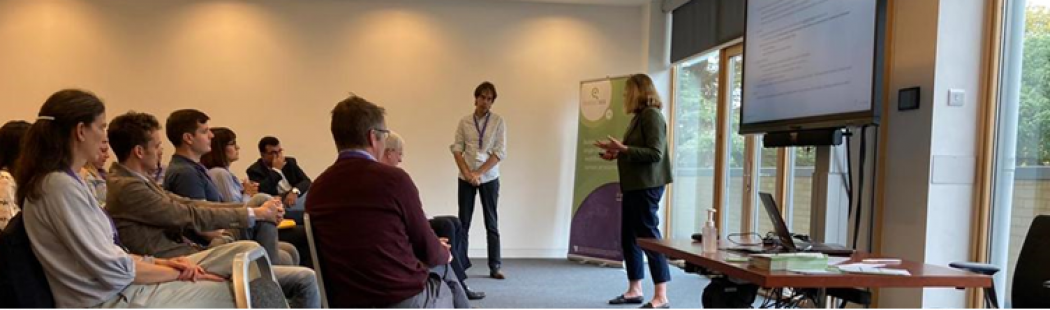
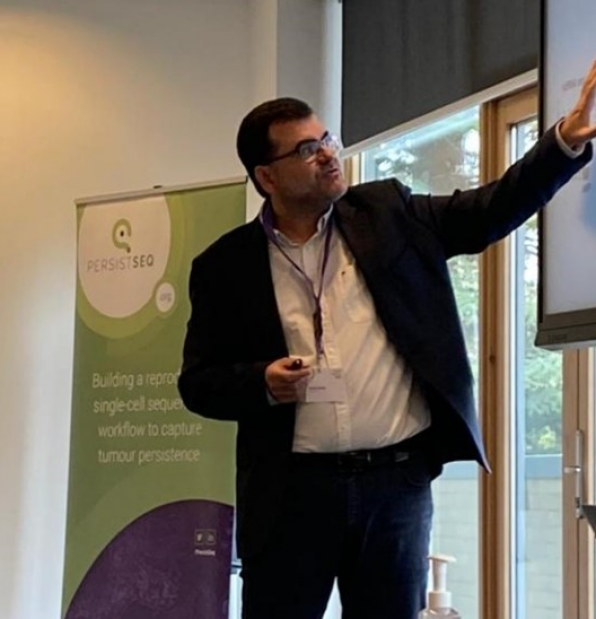
One of PERSIST-SEQ’s Principal Investigators - Dr. Eduard Batlle, from the Institute for Research in Biomedicine Barcelona spoke about the investigation into drug tolerant persister cells in colorectal cancer performed in his laboratory.
PERSIST-SEQ researchers from another work stream spoke about single cell aquisition from models of tumour plasticity. Their work aims to develop the means necessary to reliably acquire, label, and transport single-cell samples in such a way that the high quality, viability, and the heterogeneity of the samples is maintained.
Furthermore, PERSIST-SEQ members presented their activities from the past year and future plans regarding the standardising and benchmarking of standard operating procedures, protocols, and standardised pipelines for single-cell isolation methods and (genetic, epigenetic, and transcriptomic) single-cell sequencing techniques.
Another topic discussed at the annual meeting was the leveraging of spatial transcriptomics techniques to add valuable insights to the single-cell sequencing data acquired in the project. Next to that, PERSIST-SEQ investigators spoke about their plans for the generation of high-quality single-cell sequencing data from single cells acquired from each study.
Lastly, other project members discussed their plans for the integration and interpretation of single-cell datasets, as well as the corresponding analytics methods. The goal of this work stream is to develop bioinformatics platforms and methods for data analysis of the single-cell sequencing workflow. This is necessary since the data gathered from (spatial) single-cell sequencing performed by other work streams needs to be quality-controlled, curated, analysed, integrated, shared, and interpreted.