

News
The potential of patient-derived xenografts as advanced models to enable development of new antioncogenic treatments
Current experimental approaches fail to isolate and study residual disease and therapeutic resistance in cancer in clinically meaningful ways. Novel single-cell sequencing techniques and advanced ex-vivo and in-vivo cancer modelling approaches, such as patient-derived organoids and xenografts, may finally unveil the intricate processes underlying therapeutic resistance in cancer. PERSIST-SEQ’s partner Xenopat contributes its collection of xenografts to the consortium for the study of cancer resistance mechanisms to standard chemotherapy treatments.

About Xenopat
Xenopat is a spin-off company of the Catalan Institute of Oncology, the Bellvitge University Hospital and the Biomedical Research Institute of Bellvitge.
Xenopat offers services based on the use and generation of orthoxenografts®, patient-derived orthotopic xenografts (PDX). These murine models are generated by implanting a human tumour in the same organ of origin in mice. Orthoxenograft® are the most advanced models aiding in the development of new antioncogenic drugs, since they mimic all the characteristics of the original tumour – e.g., histology, genetics, epigenetics, metastatic capacity and drug response, among others. Not only are they useful in pre-clinical stages but they can also be of use in the development of co-clinical trials or post-commercialization studies.
Expertise
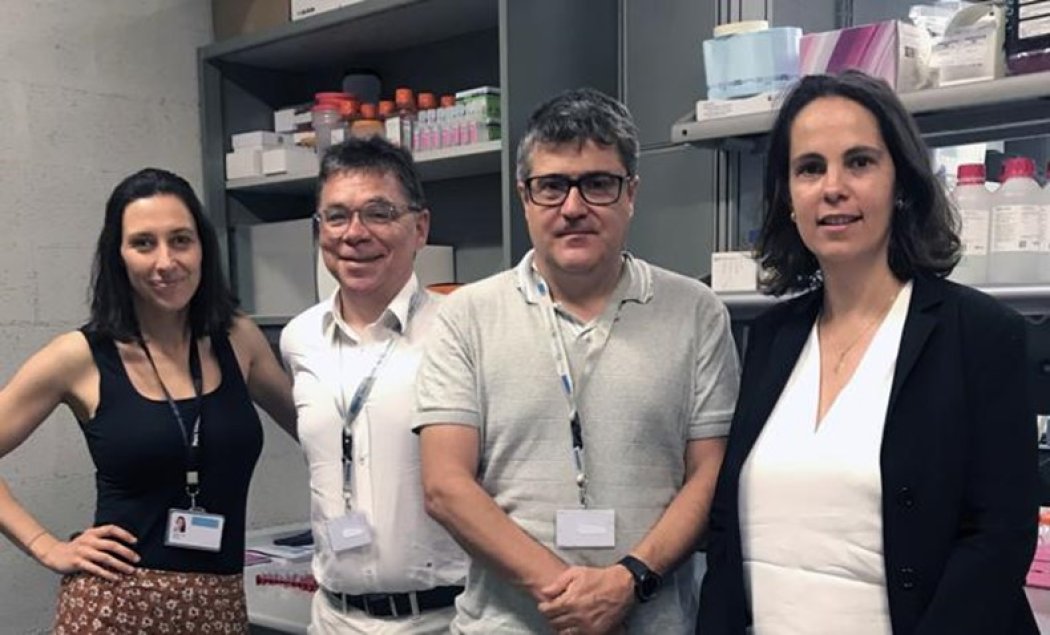
Xenopat owns a collection of orthoxenografts® (orthoxenobank®) including colon, lung, breast, pancreas, ovarian, endometrial, melanoma, sarcoma and pediatric tumors, among others. These models are made available for use in the PERSIST-SEQ consortium. The expertise gained in more than ten years of orthoxenograft generation allows Xenopat to be able to generate models at demand if the consortium requires so.
Xenopat roles in PERSIST-SEQ are to:
- provide patient-derived xenografts (PDX) samples for sequencing
- generate new PDX models
- test selected compounds and combinations in specific PDX
Role in PERSIST-SEQ
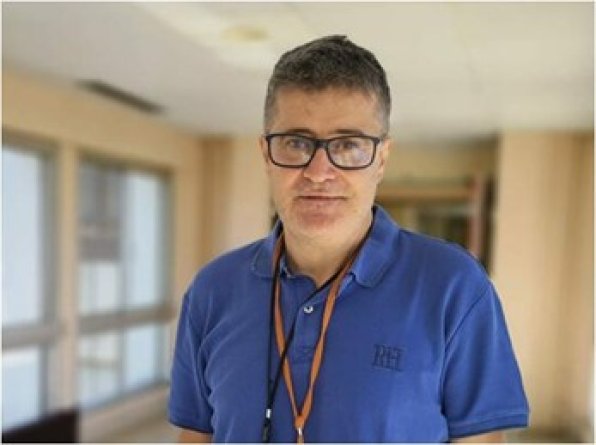
Dr. Alberto Villanueva is a Chief Scientific Officer at Xenopat and Principal investigator in PERSIST-SEQ. He is internationally renowned for his work on orthotopic PDX. He has used these models not only to study drug resistance acquisition mechanisms, but also to develop new anti-oncogenic drugs and oncogenic personalized treatments.
We spoke to Dr. Villanueva about Xenopad’s role in PERSIST-SEQ’s research and his vision for its impact on the cancer drug development field.
What is the focus of your work within the PERSIST-SEQ project?
Xenopat will focus its research on the study of both intrinsic and acquired resistance mechanisms to standard chemotherapy treatments, mainly in Non-Small Cell Lung Cancer (NSCLC) and Colorectal tumors (CRC). Moreover, we will also try to study other tumor types (i.e., ovarian cancer). Xenopat studies will be carried out in patient-derived orthotopic xenografts, advanced preclinical tumor models named PDOX/orthoxenografts, enriched in persistent/resistant tumor cells facilitating their analysis with the established consortium sequencing workflows.
What do you hope to contribute to the consortium?
In cancer research, advanced preclinical tumor models that mimic human tumor behavior are essential tools not only to understand tumor resistance mechanisms, but also to assess the balance between therapeutic effect and toxicity of new therapeutic approaches. Our research at Xenopat seeks to generate mice models that are enriched in persistent/treatment resistant tumor cells following a double approach: first - implanting tumors from resistant or refractory metastatic patients; and second - evolving sensitive tumor models to resistant models through cycles of iterative treatments with chemotherapy in the mouse. By using these models generated at Xenopat, the PERSIST-SEQ researchers will be able not only to obtain information on these resistance mechanisms from sequencing data, but also to access an in vivo setting in order to validate therapeutic approaches that might be able to eliminate the persistent/treatment resistant cells, with the aim to improve patients treatment and survival rates.
What do you enjoy the most about your work on the project?
For Xenopat, it is exciting to work together with the best experts in Europe on single cell technologies, tumoroids, PDX/PDOXs and with the big Pharmaceutical companies. I am totally convinced that this joint public-private effort, in addition to identifying drug resistance mechanisms in persistent cells, will allow an early transfer of results to the clinic, improving the treatment and survival of cancer patients.
Dr. Alberto VillanuevaThe single-cell sequencing data obtained in PERSIST-SEQ will represent a great advancement in the understanding of the innate and acquired resistance mechanisms to cancer treatments.
What is challenging about your work?
Generating advanced orthotopic preclinical models is a triple challenge. The first challenge is to get enough quantity and quality material to implant in mice from resistant/refractory treatment patients biopsies. The second is to achieve a high tumor implantation take rate to ensure success when we implant this valuable/unique material, being a guarantee for the generation of the preclinical models that we will use in both molecular and drug treatment studies. The third is to standardize the procedures to achieve a maximum homogeneity and reproducibility in drug treatment effectiveness in these complex orthotopic preclinical models.
What is the importance of the project for the wider field of cancer research?
The single-cell sequencing data obtained in PERSIST-SEQ will represent a great advancement in the understanding of the innate and acquired resistance mechanisms to cancer treatments. This knowledge will serve as the engine that will drive the development of future therapies which eliminate or minimize the populations of persistent/resistant cells in cancer, thereby guaranteeing an improvement in the treatment and survival of cancer patients. Undoubtedly, at Xenopat we believe that this ambitious goal can only be achieved with the association and interaction between industry, academia, clinicians and patients.