

News
Single-cell sequencing techniques to unveil the mechanisms driving the activation of adaptive mutability in colorectal cancer persister cells
When cancer cells are challenged with targeted therapies, both pre-existent resistant cells and drug-tolerant persisters cells can survive the lethal effect of the drugs. Investigators at the IFOM lab recently unravelled previously unknown vulnerabilities of colorectal cancer cells that survived lethal doses of targeted therapies which could be exploited therapeutically. In PERSIST-SEQ, IFOM’s overall role is to understand the adaptive mutability to targeted therapies at the single cell level in colorectal cancer.

About FPO
IFOM is a cancer research institute focused on the study of cancer formation and development at molecular level, with a view to a rapid transfer of results from bench to bedside. IFOM laboratories are established in a research campus shared by other research institutions such as the European Institute of Oncology (IEO) and the Italian Institute of Technology (IIT). The resulting IFOM-IEO Campus is one of the largest molecular oncology research centers in Europe. The creation of a research institute “network” was the first of its kind in Italy and has made IFOM an internationally competitive research centre in molecular oncology and functional genomics.
Having established a solid base in basic research, IFOM is now concentrating its efforts on translational research for the rapid transfer of scientific findings from the laboratory to diagnostic and therapeutic clinical practice. IFOM has adopted a strong international approach, fostering partnerships with world-class research institutes in India and China. Thanks to these agreements, IFOM is becoming an important player in the global landscape of cancer research institutions.
IFOM in PERSIST-SEQ
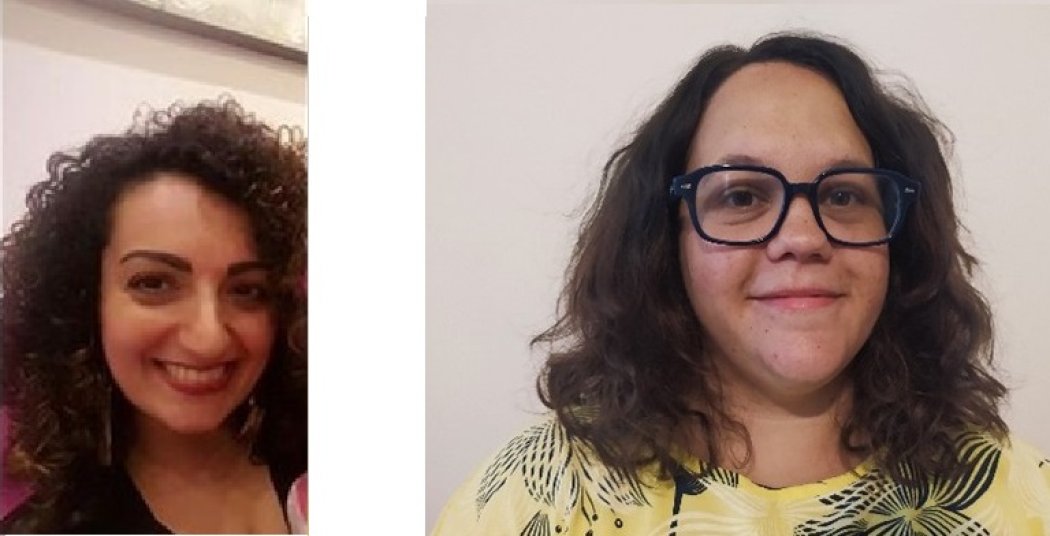
Dr. Mariangela Russo is an assistant professor at the department of Oncology at the University of Turin, and a researcher at the molecular oncology laboratory at IFOM. As a post-doctoral fellow in Prof. Bardelli’s lab, Dr. Russo personally led the discovery of novel mechanisms and previously unknown processes of primary and secondary resistance to targeted therapies in CRC in patients derived preclinical models and bioptic samples collected prior and during therapy.
Dr. Elisa Mariella is a post-doctoral fellow at the Department of Oncology of the University of Turin. Her training and research activity has always been focused on computational biology and, since she joined Prof. Bardelli's lab in 2019, she has contributed to several works exploring different aspects of colorectal cancer, thanks to her expertise in multi-omics data analysis. At the moment, she is particularly interested in exploring how genetic and transcriptional features of cancer cells, including their interactions, can guide the development of novel therapies and strategies to overcome drug resistance.
Below, Dr. Russo and Dr. Mariella explain IFOM’s role in the PERSIST-SEQ project.
How would you describe your work on PERSIST-SEQ?
We recently demonstrated that colorectal cancer persister cells that survived the lethal effect of targeted therapy initiate an adaptive mutability program, characterized by a transient increase of their mutation rate, thus promoting the development of secondary resistance. We observed that clinically approved targeted therapies trigger the downregulation of genes involved in different DNA repair pathways and a concomitant switch from high-fidelity to error-prone DNA polymerases, thereby allowing cell proliferation regardless of the presence of DNA damage. Within the PERSIST-SEQ project, we will use different single-cell sequencing techniques to unveil the molecular mechanisms that drive the activation of adaptive mutability in CRC persister cells and characterizing the alterations that accumulate in their genome.
What do you contribute to the consortium?
Over the years, the Bardelli laboratory has established a collection of >200 CRC cell lines that closely recapitulate the heterogeneous molecular features observed in CRC patients. In the PERSIST-SEQ project, we plan to screen multiple models for the emergence of drug-tolerance and activation of adaptive mutability. This effort will ultimately result in a collection of multi-omics single-cell sequencing data to be shared within the consortium. At the same time, we will be heavily involved in computational activities, including development of methods tailored for single-cell sequencing data analysis and data interpretation.
What do you enjoy about your work on PERSIST-SEQ?
PERSIST-SEQ is a frontier project that brings excellent scientists together with the common goal to shed light on drug tolerance in cancer cells. I believe that the consortium has the unrivalled opportunity to answer complex questions in the field, thanks to the collaboration between academia and companies, and the pooling of diverse skillsets. Moreover, it offers the enviable access to cutting edge single-cell sequencing technologies, including both state-of-art methods and novel techniques that will be developed.
Is there anything challenging about this work?
There are for sure many technical challenges that are probably shared by others in the consortium. First, we always have to deal with the complexity of biological systems. From this perspective, one crucial issue is the common mixing of sensitive and resistant cells in bulk cell populations, that must be properly managed to focus on the sequencing of persister and persister-derived resistant cells. On the other hand, working with persister cancer cells is far from being trivial. For example, a high cell viability is usually mandatory for high-quality single-cell sequencing data, but it might be difficult to obtain highly stressed cells such as persister cells. More specifically, we are interested in studying genetic features of persister cancer cells. However, single-cell DNA sequencing techniques and corresponding data analysis methods are still in their infancy.
In your view, why is the project so important for the cancer research field?
The eradication of advanced stage tumours is rarely observed due to the onset of secondary resistance. Persister cells significantly contribute to the development of secondary resistance and represent a major obstacle to the effectiveness of cancer therapies. Intriguingly, the knowledge that cancer cells switch to low fidelity DNA replication process under therapeutic stress exposes a vulnerability that could be exploited to block or even delay the acquisition of mutations and, therefore, the emergence of secondary resistance. We postulate that eradication of persisters and inhibition of de novo mutagenesis during drug-induced adaptive mutability might significantly prolong therapeutic efficacy. However, a deeper understanding of the molecular developments that occur during adaptive mutability is essential in order to actualize its clinical potential