

Home
News
27
Results found
-

Welcome to the first issue of our e-newsletter
Happy New Year! We are excited to kick off 2023 with our first newsletter, and share with you our ambition and progress to date. -

Bayer contributes to PERSIST-SEQ’s bioinformatics analyses and single-cell acquisition from models of tumour plasticity
PERSIST-SEQ’s partner Bayer is a representative from the European Federation of Pharmaceutical Industries Associations (EFPIA). In the project, Bayer provides support with consortium management and contributes to the work on experimental tumour models. Furthermore, Bayer is leveraging its IT infrastructure for the planned analyses within the bioinformatics workstream in PERSIST-SEQ. -

PERSIST-SEQ leverages AstraZeneca’s expertise in cancer models and single cell sequencing
AstraZeneca, a global, science-led biopharmaceutical company, is the industry lead from the European Federation of Pharmaceutical Industries Associations (EFPIA) in the PERSIST-SEQ consortium. Co-leading the consortium with the Hubrecht Institute, AstraZeneca plays a key role in co-ordinating portfolio management and prioritization work for PERSIST-SEQ. -

Ensuring the success of PERSIST-SEQ through effective partnership management and targeted communication
PERSIST-SEQ’s partner Lygature supports the consortium by providing partnership management as well as communication and dissemination expertise. Lygature was instrumental in the set-up phase of the consortium. -
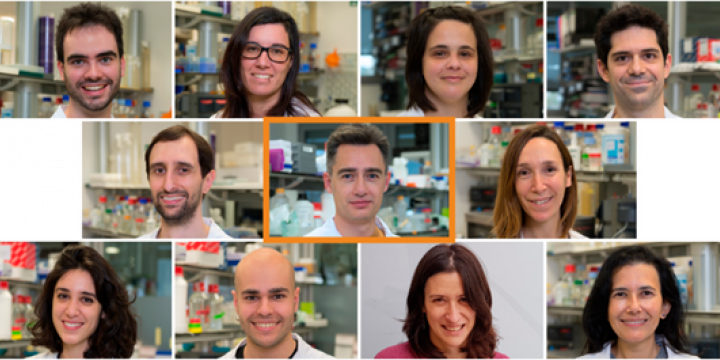
Multi-omics approaches to unravel unexpected alterations related to tumour and single cell phenotypes
One of PERSIST-SEQ’s principal investigators is Héctor Garcia Palmer, Head of the Stem Cells and Cancer Group at the Vall d’Hebron Institute of Oncology (VHIO) - a research centre for personalized medicine in oncology. Scientists at Palmer’s lab study the mechanisms that allow tumours to resist effective treatments and to progress to advanced stages where patients’ lives are at risk. -
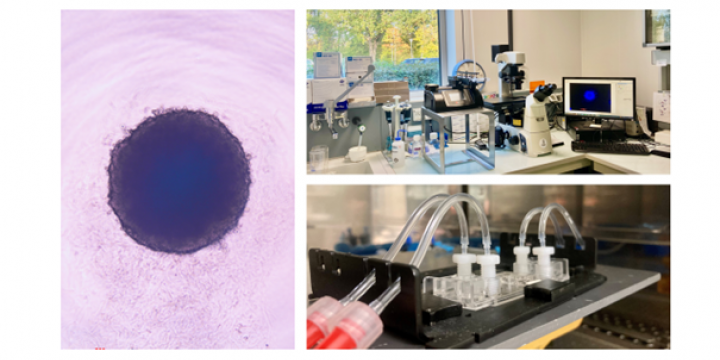
Developing an in vitro platform to study the acquisition of tumour resistance to approved treatments
Despite great advances in the field of in vitro modelling, it remains extremely complicated to recreate artificial models which reproduce the very complex and heterogeneous microenvironment of actual tumours. A major challenge is the recreation of a vascular network inside spheroids to mimic normal nutrients and oxygen distribution. -
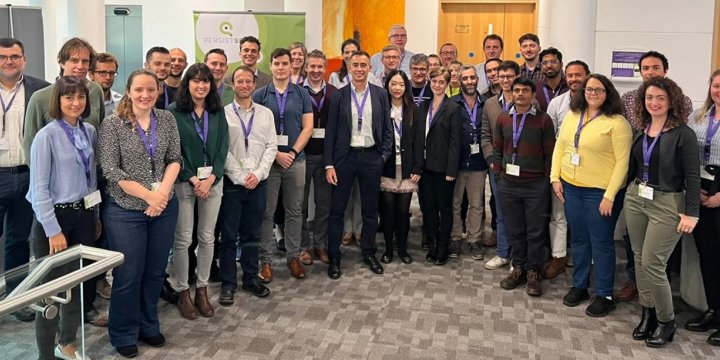
First PERSIST-SEQ consortium meeting gathers nearly 50 project members in Cambridge, The United Kingdom and online
The annual PERSIST-SEQ consortium meeting provides consortium members from various work streams with the opportunity to meet and present the progress of their research, share experiences and discuss future work plans. -
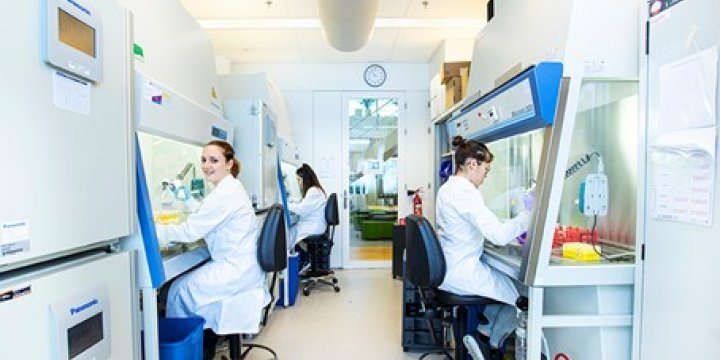
Novel models to improve the representation of recurring patient tumours
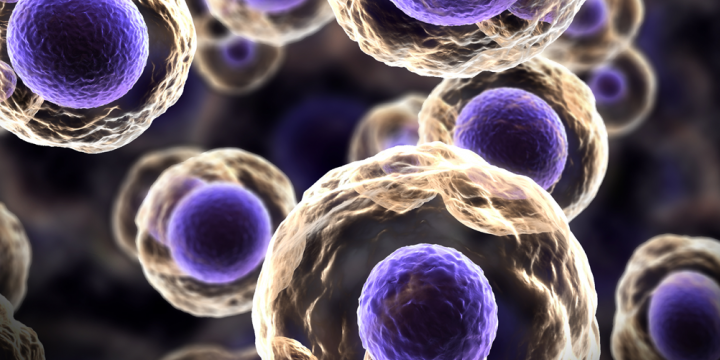
PERSIST-SEQ aims to develop standardised approaches to single-cell sequencing in order to investigate and characterise drug resistance in tumours. The role of HUB Organoids (HUB) in the project is to develop novel models that better represent recurring patient tumours. Advanced preclinical models are needed to improve our understanding of tumour resistance to drug treatments. -
Applying functional genomic approaches to find vulnerabilities of cancers for therapeutic exploitation
The academic partners in the PERSIST-SEQ consortium represent the leading-edge of single-cell sequencing and cancer biology research. Prof. René Bernards’ laboratory at the Netherlands Cancer Institute is a crucial academic partner in PERSIST-SEQ with its integral role to find vulnerabilities of drug tolerant persister cells in cancer. -

Modelling therapeutic resistance in cancer
PERSIST-SEQ aims to provide an understanding of resistance to therapeutic treatments in cancer patients. Unfortunately, this is an unresolved problem commonly encountered in the clinic. It causes high mortality rates across different cancer types. -
Building a single-cell cancer atlas
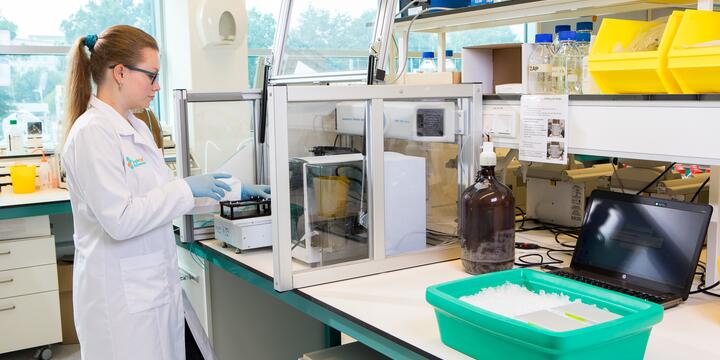
Single Cell Discoveries’ CEO Mauro Muraro explains the role of his company in PERSIST-SEQ. ‘We offer the consortium one centralized place where all samples are processed and data is generated.’ -

PERSIST-SEQ: International Research Consortium Aims to Build a Reproducible Single-cell Sequencing Workflow to Capture Tumour Persistence
PERSIST-SEQ has formed a coalition of field-leading researchers and medical oncologists on cancer resistance who will leverage their ingenious cancer modelling approaches and cutting-edge techniques to perform the sequencing of single tumour cells.